Discover the history of Fabrika, formerly the "Nino" Soviet sewing factory in Tbilisi. Explore how this industrial site transformed into a cultural hub and hostel while preserving its unique fashion legacy.
Repurposing empty old buildings | Re-inventing the future
Georgia's got a vast amount of forgotten and abandoned industrial sites that were rummaged in the dark 1990's. Within the last few years it has become a trend to reuse and repurpose these old grim buildings and breathe new life into them. This is what happened to Fabrika, a former sewing factory turned into a cultural and creative hub, with the biggest youth hostel in the region.
Located in the old part of Tbilisi on the left bank of Mtkvari river, Fabrika is bringing back to life a once-forgotten historical-cultural part of Tbilisi. The area is undergoing urban regeneration, increasing the attractiveness and giving flair to the emerging throwback streets. Recent developments have inspired both national and international visitors to re-discover and appreciate the landmarks and iconic neighbourhood spaces that have been overlooked in the past.
Soviet sewing factory
Soviet Fashion | SECRET HISTORY
Back in the days fashion was an important aspect that took on a social and political significance. It was particularly favoured by women. Soviet bloc designers were increasingly busy creating clothing based on geometry, improvising with colors and embracing the western trends, however always bearing in mind the state ideology and the need to create something distinctively Soviet. One could not really let the imagination run wild as unnecessary whims and capricious looks had to be avoided. Simple, comfortable, unpretentious and generally acceptable outfits were the norm.
Despite the consistent moderation of western influences and limited access to pre-made fashion, the idealized Western fashion became slightly more accessible in the late 1970's. As a 1979 Guardian article reported: “After years of hesitation and reflection, the Soviet leadership has decided to yield to popular demand, and to authorise production of one of the most classless garments devised by capitalism – blue jeans."
Soviet fashion, work in progress
Threat to Soviet Values
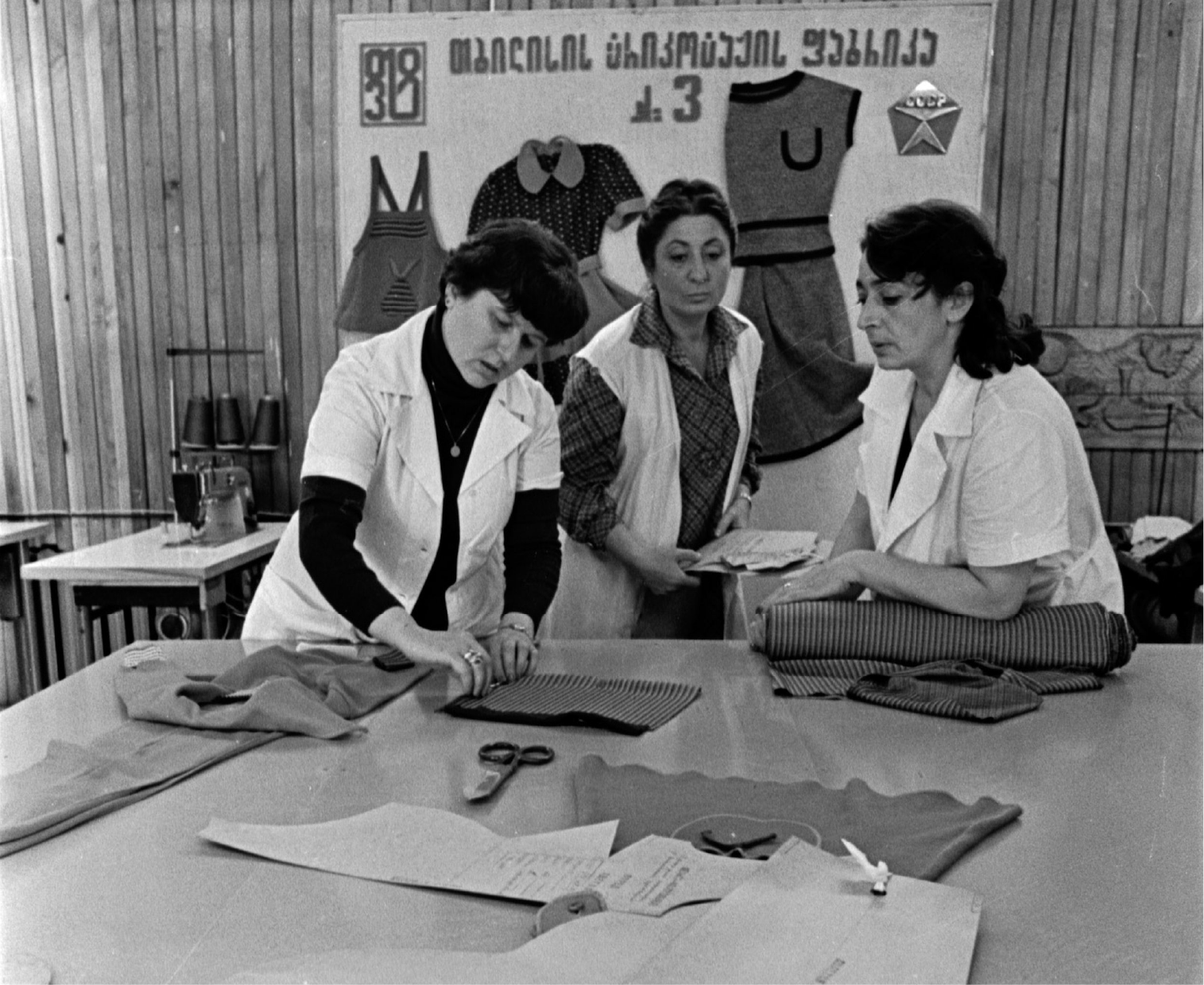
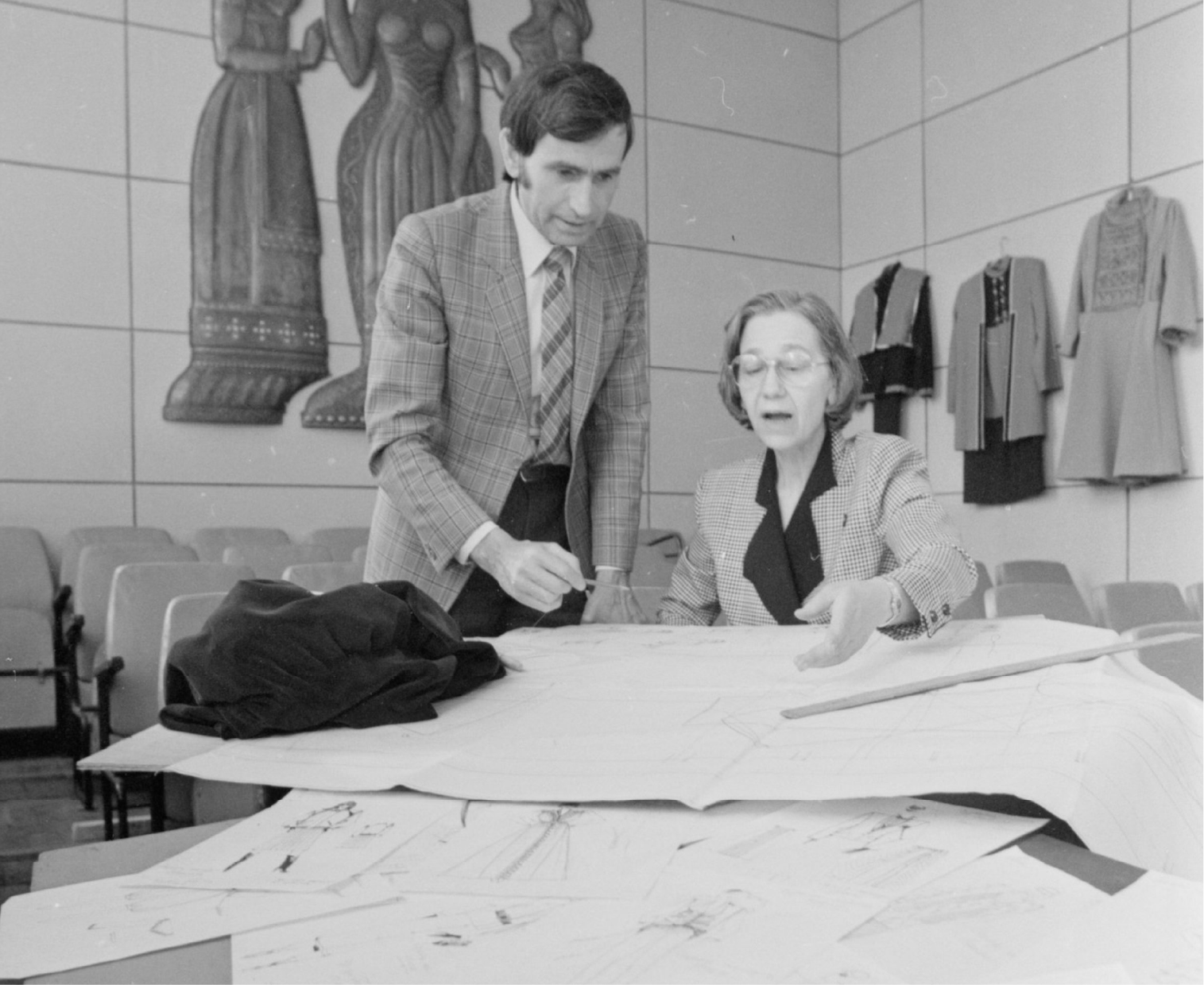
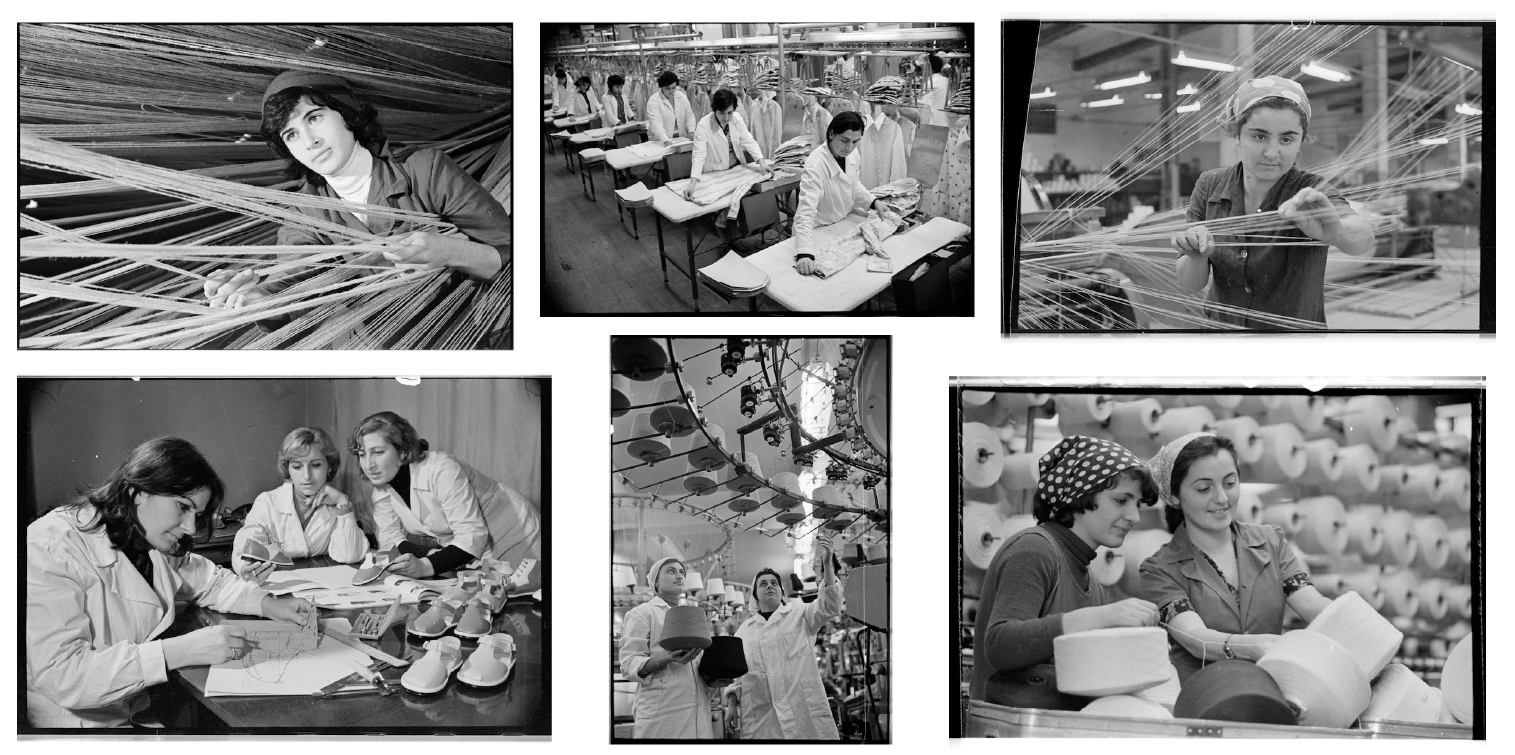
As surprising as it might sound, there were lots of Soviet institutions of fashion design, perfectly structured and organized, financed by the state where knowledgeable fashion-designers worked. According to the annual plans, they created and mass produced stylish clothes. "Nino" was one of the biggest sewing factory in Tbilisi, Georgia that produced women's clothing for decades until the late 80's, when it slowly lost its momentum until it was finally abandoned. Among many other factors, the inherently flawed concept of planned economy and its bureaucratic limitations could not be denied by the end of the 1980's.
building a new and better future
Forbes summarized the story of Fabrika nicely: "The building that until now has only served to preserve the country’s Soviet past, aims to now become the epicentre of its European future. Fabrika – a name that translates as factory – is starting a new life. The sewing machines have been replaced by comfortable furniture, the roar of machinery by pleasant music, the textiles by canvases, the grey by the colourful, and the hard work by relaxation. This is more than just a hostel of a size previously unseen in Tbilisi."
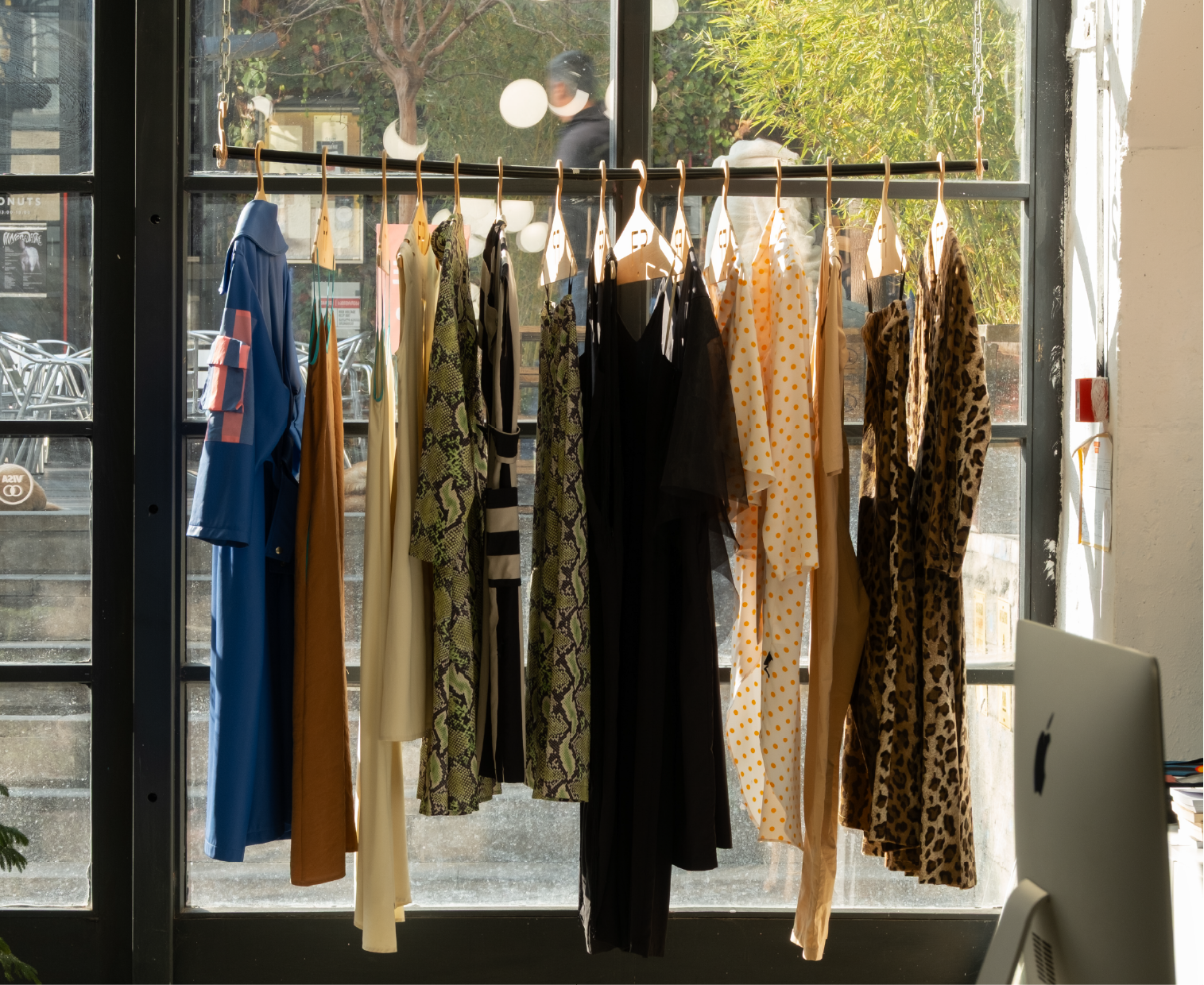
Interestingly, you can still buy the vintage soviet clothing sewn here back in the days. Now, the Shavikata is home to the collection that was found in the building. Shavikata located in the courtyard of Fabrika hostel, is a very interesting platform through which artists deliver social, political, critical or romantic messages to the public, using the language of fashion and art. Come explore the gorgeous vintage pieces from the past and "wear the living history".
Shavikata, Fabrika courtyard
Comme des Garçons Shooting in 80's Soviet Georgia
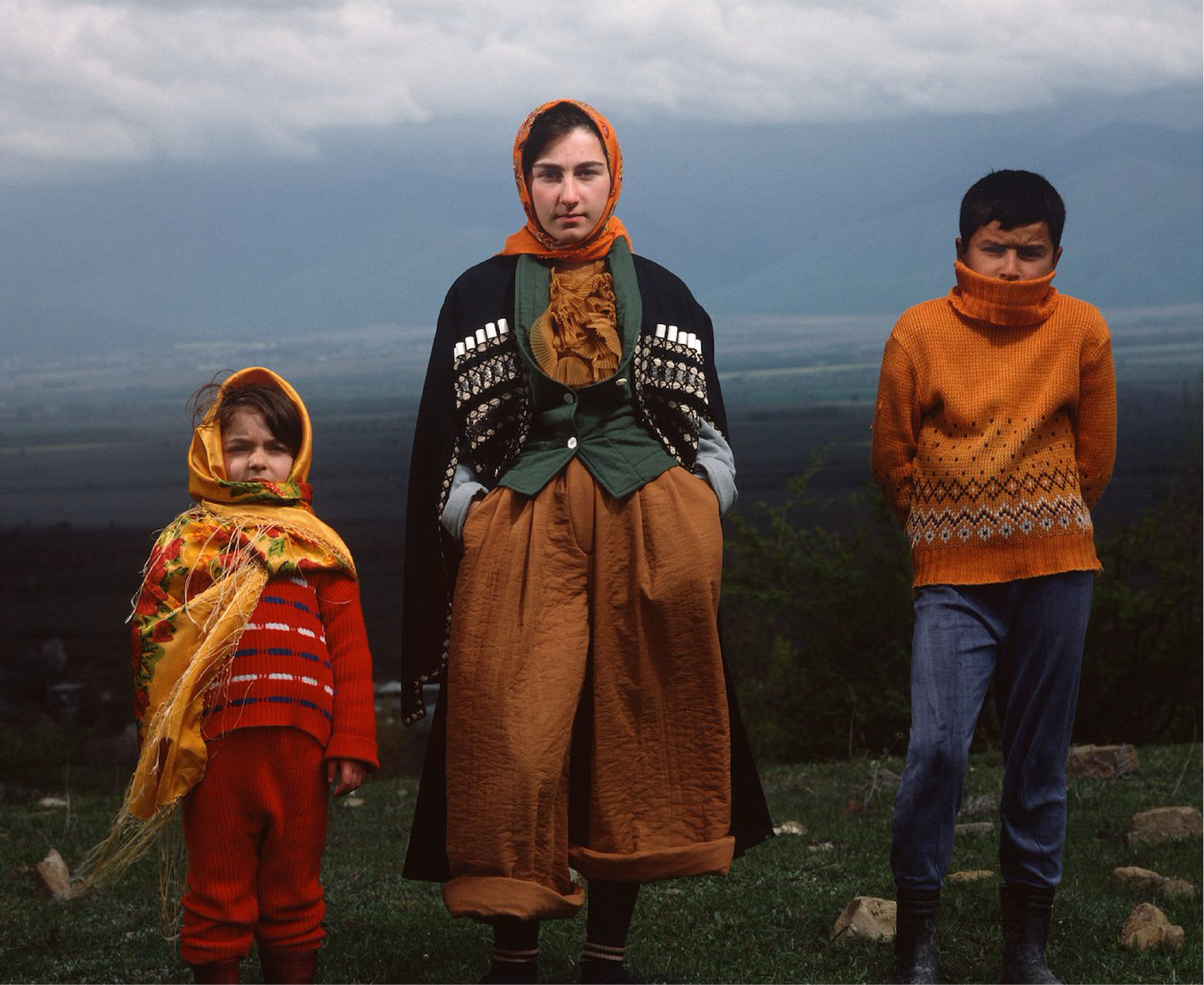
Cool fact. In 1989, a Japanese fashion designer, Rei Kawakubo, visited Soviet-era Georgia with renowned British photographer Brian Griffin to photograph villagers in Comme des Garçons designs. In 2016, Project ArtBeat held an exhibition in Fabrika Hostel lounge, showcasing the same Comme des Garçons's fashion campaign shot by Brian Griffin in Soviet Georgia in 1989.
Georgian woman wearing a traditional chokha with Comme des Garçons clothing in 1989. Courtesy of Brian Griffin / ProjectArt Beat